10 Signs of Low EQ & How an EQ Test Can Help
Do you often feel misunderstood, struggle with managing your emotions, or find social situations challenging? These feelings might stem from a common but often overlooked aspect of personal development: emotional intelligence. If you've ever asked yourself, "What are the signs of low emotional intelligence?", you're already on a path toward greater self-awareness. This article will help you identify 10 key signs of low EQ and show you how a scientifically-backed EQ test can be your first step toward self-insight and personal growth. Your journey to understanding yourself better begins now; you can discover your EQ with a simple assessment.
Understanding Low Emotional Intelligence (EQ)
Before we dive into the specific signs, it's crucial to understand what we're talking about. Low emotional intelligence isn't a character flaw or a permanent state; it's simply an area with potential for significant growth. Think of it as a set of skills that haven't been fully developed yet. Recognizing this is the first empowering step toward change.
What Emotional Intelligence Truly Means
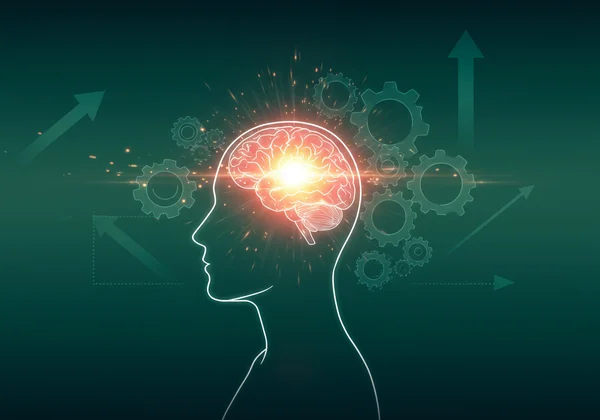
Emotional Intelligence (EQ) is the ability to perceive, understand, manage, and use emotions effectively in yourself and your relationships. It’s not about suppressing feelings, but rather about acknowledging and channeling them constructively. This complex skill set is often broken down into five core components: self-awareness, self-regulation, motivation, empathy, and social skills. A high EQ allows you to navigate life's complexities with greater resilience and build stronger connections, highlighting the importance of self-awareness.
The Impact of Low EQ on Daily Life
The consequences of underdeveloped EQ can ripple through every aspect of your life. At work, it might manifest as difficulty collaborating with team members, struggling with feedback, or feeling passed over for leadership roles. In your personal life, it can strain friendships and romantic partnerships, leading to frequent arguments and a sense of isolation. Recognizing these patterns is essential for improving your interpersonal relationships.
10 Common Signs of Low Emotional Intelligence
Identifying these signs in your own behavior is an act of courage and the first step toward positive change. As you read through this list, see if any of these resonate with your experiences. This isn't about judgment, but about gaining clarity.
Difficulty Identifying & Expressing Your Emotions
People with lower EQ often struggle to pinpoint exactly what they are feeling. They might say "I feel bad" without being able to distinguish between sadness, anger, or frustration. This lack of self-insight makes it nearly impossible to communicate needs effectively or manage emotional responses.
Struggling with Emotional Regulation & Impulse Control
Do small frustrations quickly escalate into major outbursts? Do you find yourself reacting impulsively and regretting it later? This points to challenges with emotional regulation. A core part of EQ is the ability to pause between feeling and action, allowing you to choose a more thoughtful response.
Frequent Misunderstandings & Lack of Empathy
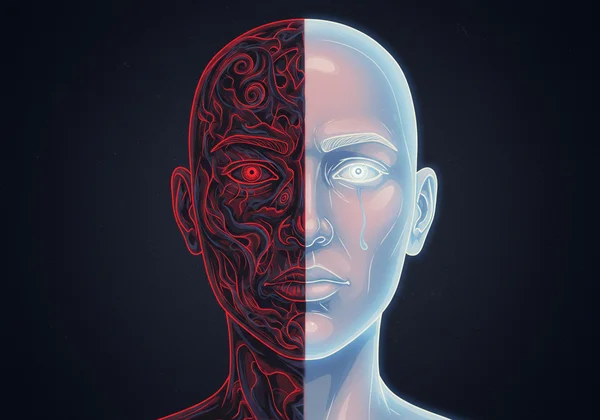
If you often feel like others are overreacting or you struggle to see situations from their perspective, it could be a sign of low empathy. Empathy is the cornerstone of connection, allowing us to understand and share the feelings of another person. Without it, conversations can feel like transactions rather than genuine interactions.
Challenges in Building & Maintaining Relationships
Strong, healthy relationships are built on emotional connection and mutual understanding. If you find your relationships are often short-lived, superficial, or full of conflict, it may be linked to underdeveloped social skills. These skills help us communicate clearly, manage conflict, and build rapport with others.
Resistance to Feedback & Excessive Criticism
How do you react when someone offers constructive criticism? A common sign of low EQ is becoming defensive, blaming others, or shutting down in the face of feedback. Conversely, individuals may also be overly critical of others, often as a defense mechanism to mask their own insecurities.
Feeling Overwhelmed by Stress & Change
While everyone experiences stress, those with lower EQ find it particularly difficult to manage. They may feel constantly overwhelmed and lack the coping mechanisms to navigate stressful situations or adapt to change. Learning to manage stress is a key component of emotional resilience, and you can check your EQ to see where you stand.
Poor Listening Skills & Interrupting Others
In a conversation, are you truly listening to understand, or are you just waiting for your turn to speak? A tendency to interrupt, dominate conversations, or tune out when others are speaking is a classic sign that one’s focus is internal rather than on the other person. Active listening is a foundational skill for building empathy.
Tendency to Blame Others or Avoid Responsibility
When things go wrong, is your first instinct to find someone or something else to blame? Avoiding personal accountability is a common defense mechanism tied to low EQ. Taking responsibility for your actions, even when it's difficult, is a sign of emotional maturity and a prerequisite for personal growth.
Difficulty Motivating Yourself or Others
Motivation, particularly intrinsic motivation, is deeply tied to emotional intelligence. If you struggle with procrastination or find it hard to stick to goals, it might be due to a disconnect from your own emotional drivers. Similarly, inspiring and motivating others requires an understanding of their emotional needs and aspirations.
Inability to Navigate Conflict Constructively
Many people with low EQ either avoid conflict at all costs or escalate it with aggression. They see conflict as a battle to be won rather than a problem to be solved collaboratively. A high EQ allows you to approach disagreements with curiosity and a desire to find a mutually beneficial solution.
Why Identifying Low EQ is Your Pathway to Growth
Recognizing these signs isn't a final diagnosis; it's the beginning of an exciting journey. Awareness is the first and most critical step to improve emotional intelligence. By understanding your specific challenges, you can begin to target them with intention and build the skills you need to thrive.
Transforming Personal & Professional Challenges
Developing your EQ can be life-changing. It can turn workplace friction into collaboration, transform strained family dynamics into supportive relationships, and replace self-doubt with quiet confidence. This isn't about changing who you are, but about unlocking a more effective, fulfilled, and connected version of yourself. This is the essence of true personal growth. Ready to begin? Start improving now.

How an Accurate EQ Test Can Provide Clarity & Direction
Reading a list of signs is helpful, but how do you get a clear, objective measure of your emotional intelligence? That's where a well-designed and accurate eq test comes in. It moves you from guessing to knowing.
Gaining Self-Insight with a Scientific EQ Assessment
A credible EQ assessment provides a structured way to evaluate your strengths and weaknesses across the core dimensions of emotional intelligence. Instead of vague feelings, you receive data-driven insights based on proven psychological models. This provides a reliable baseline from which you can measure your progress. It's a powerful tool for gaining clarity.
Beyond Scores: Your Personalized Growth Path
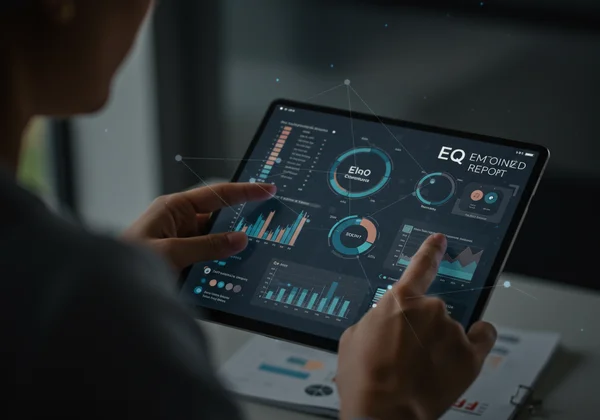
The best tools don't just give you an emotional intelligence score and leave you there. Here, completing our free test gives you an instant score and summary. More importantly, it unlocks the option for a deeply personalized, AI-driven report. This report analyzes your unique emotional patterns and provides a customized, actionable plan to help you grow. It’s your roadmap to a higher EQ, transforming your score into a starting line, not a finish line. Discover your results and get your personalized plan.
Your Journey to Emotional Strength Starts Now
Recognizing the signs of low EQ is not a moment for criticism, but an opportunity for empowerment. Every sign we've discussed is a doorway to greater self-understanding and a more fulfilling life. The key is to move from awareness to action. An emotional intelligence test is the most effective first step you can take.
Are you ready to stop wondering and start knowing? Take the first step on your journey of self-discovery today. Take the free test on our homepage to get your EQ score and unlock a deeper understanding of yourself. We invite you to share your thoughts or questions in the comments below!
Frequently Asked Questions About Emotional Intelligence & EQ Tests
What is an EQ test, and why should I take one?
An EQ test is a psychological assessment designed to measure your emotional intelligence across key areas like self-awareness, empathy, and relationship management. You should take one to gain objective insights into your emotional strengths and identify specific areas for personal and professional development. It provides a clear starting point for growth.
How can I check my EQ level for free?
You can easily check your EQ level by taking a scientifically validated online assessment. We offer a comprehensive and reliable free EQ test that provides you with an instant score and a summary of your results, helping you understand your emotional landscape without any cost.
Can I really raise my EQ, or is it fixed?
Absolutely! Unlike IQ, which is relatively stable, EQ is a flexible set of skills that can be learned, practiced, and improved over time. With consistent effort and the right strategies—like those provided in our personalized AI reports—you can significantly raise your EQ.
What's considered a normal EQ score?
Most EQ tests are scored on a scale where the average or "normal" score is around 100, similar to IQ tests. However, what's more important than a single number is understanding your specific scores in different areas (like self-management or social awareness). This detailed breakdown shows you exactly where you can focus your efforts to grow.