Boost Your EQ: 7 Ways to Improve Emotional Intelligence (An EQ Test Guide)
Welcome to your journey of self-discovery and growth. Emotional intelligence, or EQ, is the powerful ability to understand, use, and manage your own emotions in positive ways to relieve stress, communicate effectively, empathize with others, overcome challenges, and defuse conflict. Many believe it’s a more significant predictor of success than IQ. The best part? It's not a fixed trait. Can I raise my EQ? Absolutely. This guide will show you how to improve emotional intelligence and unlock your full potential.
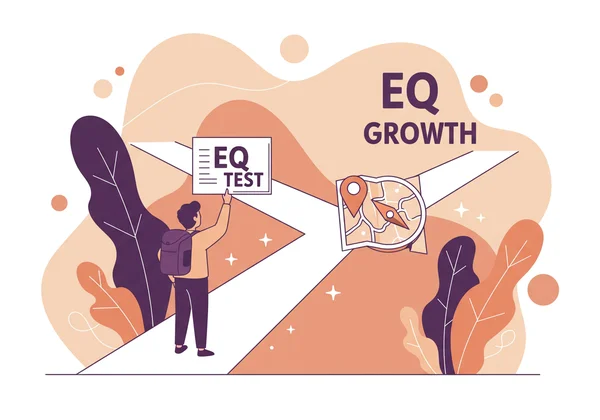
The first step in any improvement journey is knowing your starting point. To understand your unique emotional landscape, you first need a map. A comprehensive EQ test provides this essential baseline, highlighting your strengths and areas for growth. Before diving into these strategies, we encourage you to discover your EQ baseline with our scientifically validated, free assessment.
Understanding the Cornerstones of Emotional Intelligence
Before we explore how to build your emotional intelligence, it's crucial to grasp what it truly is. EQ is not just about being "nice" or suppressing emotions. It’s a complex skill set comprising self-awareness, self-regulation, motivation, empathy, and social skills. Developing these skills allows you to navigate your inner world and social interactions with greater confidence and success.
EQ vs. IQ: Why Emotional Intelligence Often Outweighs Pure Intellect
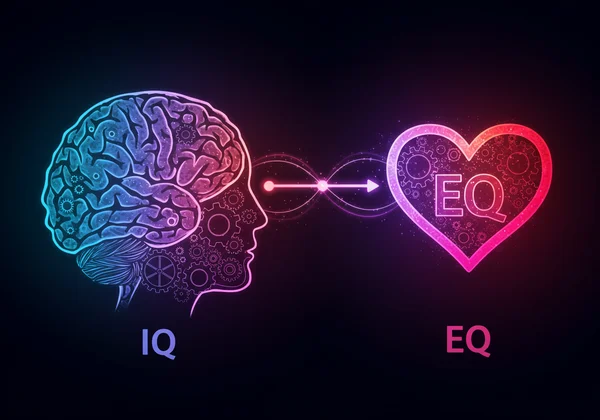
For decades, IQ was seen as the primary determinant of success. However, research and real-world experience show that raw intellect isn't enough. Think of a brilliant manager who can't motivate their team or a genius innovator who can't communicate their vision. High IQ without EQ can lead to friction and failure. It's your emotional intelligence that acts as the vital catalyst, transforming raw intellect into real-world achievements by fostering smoother collaboration, stronger leadership, and unwavering resilience.
The Everyday Benefits of a High EQ
Cultivating a higher EQ has profound, tangible effects on your life. People with high emotional intelligence generally enjoy more fulfilling relationships because they can understand and connect with others on a deeper level. In the workplace, they excel as leaders and team players, capable of resolving conflicts and inspiring motivation. Personally, a high EQ leads to better stress management, clearer decision-making, and a more positive outlook on life, improving overall well-being.
Strategy 1: Cultivating Deep Self-Awareness
The foundation of emotional intelligence is self-awareness. You cannot manage what you do not understand. This skill involves recognizing your own emotions, understanding your tendencies, and knowing how your feelings affect your thoughts and behavior. It is about being an honest and compassionate observer of your own internal landscape.
Practicing Mindful Observation for Emotional Clarity
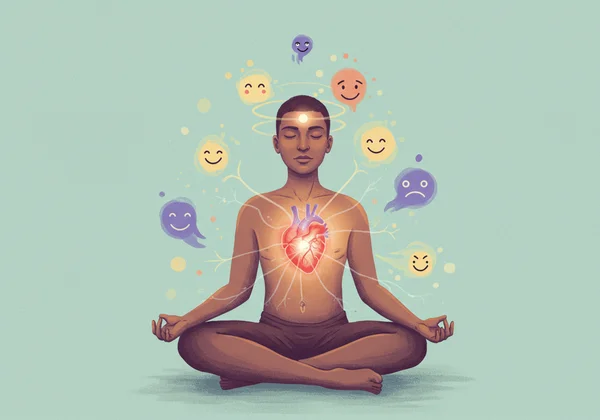
Mindfulness is the practice of paying attention to the present moment without judgment. To build self-awareness, take a few minutes each day to simply sit and notice your feelings. What emotions are present? Where do you feel them in your body? Don't try to change them; just observe. This simple exercise builds the mental muscle needed for emotional clarity, helping you recognize feelings as they arise, rather than being controlled by them.
Identifying Your Emotional Triggers and Patterns
We all have emotional triggers—people, situations, or comments that provoke an immediate, strong emotional response. Identifying these is key to gaining control. When you feel a strong emotion, pause and ask yourself: "What just happened to make me feel this way?" Over time, you'll see patterns. A reliable online eq test can also provide invaluable insights into these patterns, giving you a clear roadmap for what to work on.
Strategy 2: Mastering Self-Regulation and Impulse Control
Once you are aware of your emotions, the next step is to manage them effectively. Self-regulation is the ability to control impulsive feelings and behaviors, manage your emotions in healthy ways, take initiative, and adapt to changing circumstances. It's the difference between reacting impulsively and responding thoughtfully.
Techniques for Managing Stress and Emotional Reactivity
When you feel overwhelmed by stress or anger, simple techniques can make a huge difference. One of the most effective is the "pause." Before you speak or act, take a deep breath and give yourself a moment to think. This creates a space between the emotional trigger and your response. Other techniques include going for a short walk, listening to calming music, or practicing deep breathing exercises to lower your physiological stress response.
Developing Emotional Resilience in Challenging Times
Emotional resilience is your ability to bounce back from adversity, trauma, and stress. It doesn't mean you don't experience difficulty; it means you don't let it defeat you. To build it, focus on maintaining a positive outlook, learning from your setbacks, and practicing self-compassion. View challenges not as insurmountable obstacles, but as opportunities to learn and strengthen your emotional resilience.
Strategy 3: Enhancing Empathy and Building Stronger Connections
Empathy is the ability to understand and share the feelings of another person. It is the cornerstone of strong relationships, effective communication, and compassionate leadership. By stepping into someone else's shoes, you can build trust and rapport, fostering a sense of connection and mutual understanding.
The Art of Active Listening for Deeper Understanding
True listening is a rare skill. Often, we listen only to reply, not to understand. Active listening involves focusing completely on the other person, avoiding interruption, and withholding judgment. Try to understand their perspective and reflect back what you hear to ensure you've understood correctly. This not only makes the other person feel valued but also gives you a much clearer picture of their emotional state.
Navigating Difficult Conversations with Compassion
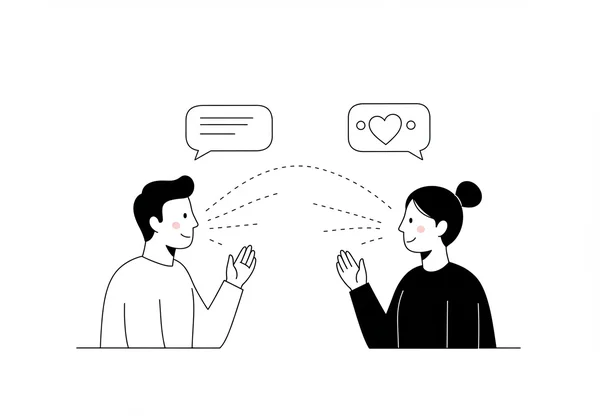
Conflict is an inevitable part of life. High EQ allows you to navigate these conversations constructively. Approach disagreements with a goal of understanding, not winning. Use "I" statements to express your feelings without blaming the other person (e.g., "I feel frustrated when..." instead of "You always make me..."). Stay calm, listen to their side, and look for a mutually agreeable solution.
Strategy 4: Fueling Intrinsic Motivation for Personal Growth
Intrinsic motivation is the drive that comes from within, rather than from external rewards like money or praise. For those with high EQ, this internal drive is channeled toward personal growth and achieving meaningful goals. They are committed to improving themselves and are resilient in the face of setbacks.
Setting Purposeful Goals Aligned with Your Values
To fuel your intrinsic motivation, your goals must feel personal and meaningful. What truly matters to you in life? What kind of person do you want to be? Set clear, actionable goals that align with your core values. This connection between your daily actions and your deeper purpose will provide a powerful and sustainable source of motivation.
Embracing Challenges as Opportunities for Learning
A growth mindset is essential for improving emotional intelligence. Instead of viewing challenges as threats, see them as opportunities to learn and develop new skills. When you make a mistake, don't criticize yourself. Instead, ask, "What can I learn from this experience?" This reframing turns every challenge into a valuable step forward on your journey of emotional intelligence growth.
Strategy 5, 6, 7: Integrating EQ Through Daily Practice
Emotional intelligence is not a theoretical concept; it's a set of practical skills that are honed through consistent practice. Here are three simple yet powerful exercises to integrate into your daily routine.
The Power of Emotional Journaling: A Daily Reflection Tool
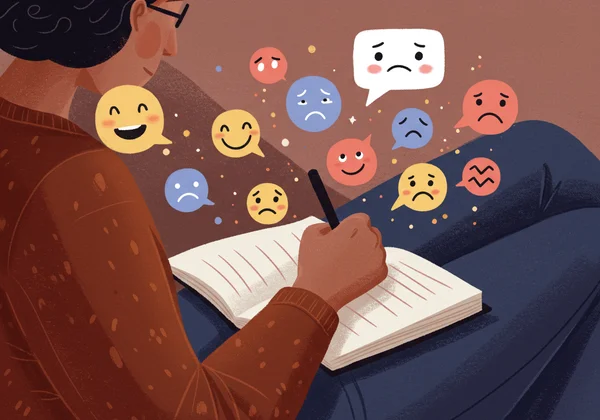
At the end of each day, spend a few minutes writing down the emotions you experienced and what caused them. This emotional journaling practice reinforces self-awareness and helps you process your feelings. Over time, it will reveal deep insights into your emotional patterns and provide a record of your progress.
Seeking and Applying Constructive Feedback
We often have blind spots when it comes to our own behavior. Humbly ask a trusted friend, family member, or colleague for feedback on your communication and emotional management. Listen with an open mind, thank them for their honesty, and identify one or two areas where you can focus on improving your social skills.
Role-Playing and Visualization for Social Situations
If you have a challenging social situation coming up, such as a difficult conversation or a public presentation, practice it in your mind. Visualize yourself handling it with calm and confidence. You can even role-play the scenario with a friend. This preparation helps build the neural pathways for success, making you more likely to manage the real situation effectively.
Charting Your Course: Your EQ Growth Journey Begins
Investing in your emotional intelligence is perhaps the most rewarding journey you can undertake. As you diligently practice self-awareness, hone your self-regulation, deepen your empathy, and cultivate intrinsic motivation, you'll naturally build a stronger foundation for a thriving career and a profoundly fulfilling life. Keep in mind, this isn't a race to a finish line, but an ongoing path of growth—and every step you take builds powerful momentum.
The key is to start. Understanding your current EQ level is the most empowering first step you can take. It gives you the clarity needed to focus your efforts where they will matter most. Take the free EQ test on our platform to get your instant score and begin your personalized growth journey today.
Frequently Asked Questions About Improving Your EQ
Can I truly improve my emotional intelligence over time?
Yes, absolutely. Unlike IQ, which is relatively stable, emotional intelligence is a flexible set of skills that can be learned and developed at any age. Through conscious effort, consistent practice, and a commitment to self-reflection, you can significantly raise your EQ and improve how you manage your emotions and relationships.
What are the key differences between high and low EQ behaviors?
People with high EQ tend to be self-aware, calm under pressure, empathetic, and thoughtful in their responses. They handle criticism well and are good listeners. Conversely, signs of low emotional intelligence include frequent emotional outbursts, difficulty understanding others' feelings, blaming others for their problems, and an inability to accept constructive feedback.
How can I accurately test my current emotional intelligence level?
The best way to get a reliable measurement is through a scientifically designed assessment. While self-reflection is helpful, a structured test can provide objective insights into your specific strengths and weaknesses across the core dimensions of EQ. For a comprehensive evaluation, we recommend taking a well-validated accurate eq test that offers more than just a score, providing actionable feedback for your development.