From EQ Test to Action: A 30-Day EQ Improvement Plan
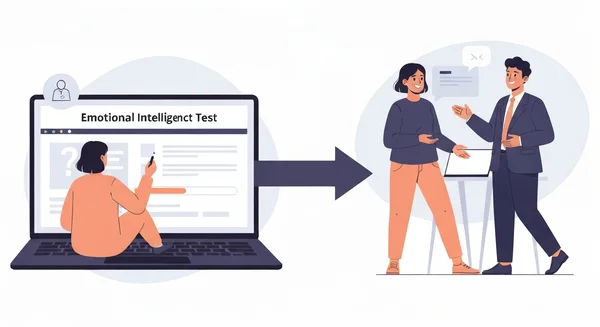
You've taken an EQ test, received your score, and now you're wondering: "What's next?" This is a fantastic question. Understanding your emotional intelligence is a powerful first step, but transforming that knowledge into real-world growth is where true development happens. Many people see their score but feel lost about how to proceed.
This guide is designed to bridge that exact gap—the one between your EQ test results and tangible, lasting improvement. It provides a structured, actionable approach to help you strengthen your emotional skills over the next 30 days. If you haven't discovered your current EQ level yet, you can get a clear baseline with our free EQ test.
This plan isn't about chasing a perfect score; it's about building practical habits that enhance your self-awareness, improve your relationships, and unlock your potential. Let's turn your insights into action.
Understanding Your EQ Test Results and Their Meaning
The journey from awareness to action begins with a clear understanding of your starting point. Your EQ test results are a data-rich map of your inner world. Instead of viewing them as a simple grade, see them as a guide pointing toward your natural talents and areas ripe for development.
Decoding Your EQ Score and Identifying Your Strengths
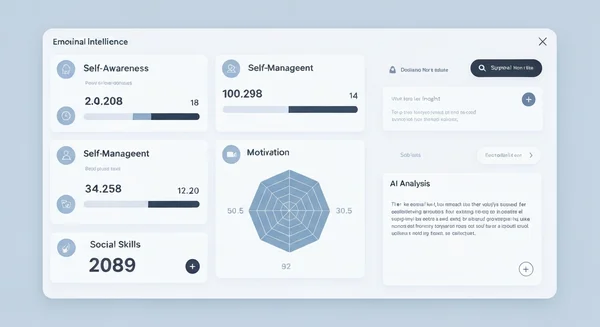
Your overall EQ score provides a snapshot of your current emotional intelligence. However, the real value lies in the details. Most scientifically-backed EQ tests, like the one at eqtest.co, break down your score across several core competencies. These often include:
- Self-Awareness: Your ability to recognize your own emotions and how they affect your thoughts and behavior.
- Self-Management: Your skill in controlling impulsive feelings and behaviors, managing your emotions in healthy ways, and adapting to changing circumstances.
- Motivation: Your drive to achieve goals, showing commitment and optimism even when faced with setbacks.
- Empathy: Your capacity to understand the emotions, needs, and concerns of other people.
- Social Skills: Your aptitude for managing relationships, communicating clearly, and working well with others.
Look closely at which of these areas are your strong suits. Are you naturally empathetic? Or perhaps you have excellent self-control? Acknowledging your strengths is crucial, as they are the foundation you will build upon.
Identifying Growth Opportunities in Your EQ Test Results
Just as important as your strengths are the areas your results highlight as opportunities for growth. A lower score in a specific area, like Social Skills or Self-Management, isn't a failure. It's a clear, valuable signal telling you where to focus your energy for the biggest impact.
For example, a lower score in Self-Awareness might mean you sometimes act on an emotion without understanding its root cause. A lower score in Empathy could suggest you occasionally miss non-verbal cues in conversations. These are not permanent traits; they are skills you can develop with conscious practice. Pinpointing these growth opportunities is the first step in creating a truly effective improvement plan.
How AI Reports Provide Deeper Insights
While a standard score gives you the "what," it often leaves you asking "why?" and "how?". This is where advanced tools can make a significant difference. Modern platforms like our EQ assessment tool offer an optional AI-driven deep analysis report. This goes far beyond a simple score.
An AI report analyzes your unique pattern of answers to provide highly personalized insights. It can identify specific scenarios where your emotional skills might be challenged and explain the underlying dynamics. Instead of just saying "you could improve your empathy," it might explain, "you excel at understanding logical arguments but may miss the emotional undertones in high-stress team discussions." This level of detailed, contextual feedback is invaluable for creating a targeted action plan. It turns general advice into a personalized roadmap for your growth.
Building Your Personalized EQ Improvement Plan
With a clear understanding of your EQ profile, it's time to build a plan. A generic approach won't work because your emotional landscape is unique. Your plan must be tailored to your specific strengths, growth areas, and lifestyle. This section will guide you in creating a practical, 30-day strategy.
Setting Realistic EQ Goals for 30 Days
The key to success is setting SMART goals: Specific, Measurable, Achievable, Relevant, and Time-bound. Instead of a vague goal like "I want to be more empathetic," try something more concrete.
Based on your EQ test results, pick one or two core areas to focus on. For example:
- If your goal is Self-Awareness: "For the next 30 days, I will identify and name my primary emotion three times a day (morning, noon, and night)."
- If your goal is Relationship Management: "This month, when I feel frustrated in a meeting, I will pause and take three deep breaths before responding."
These goals are small, specific, and easy to track. Achieving these mini-milestones builds momentum and confidence, making the entire process feel manageable and rewarding. Don't try to fix everything at once. Focused effort on one or two skills will yield far better results.
Creating a Balanced Training Schedule
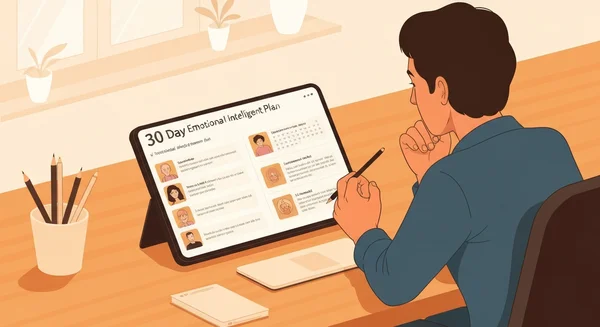
Integrating EQ practice into your daily life doesn't require hours of dedicated time. It's about consistency. A balanced schedule blends brief, daily exercises with moments of reflection. Your 30-day calendar could look something like this:
- Daily (5-10 minutes): A quick morning intention-setting or an evening journaling session.
- Weekly (20-30 minutes): A dedicated time to read an article, listen to a podcast, or practice a specific skill, like active listening with a friend or family member.
- At the Moment: Applying your skills in real-time. This is the most crucial part—using a challenging meeting or a difficult conversation as a live training session.
A good plan is one you can stick to. Be realistic about your commitments. It's better to schedule 10 minutes of practice every day and actually do it, than to plan for an hour and skip it because you're too busy.
Integrating AI Report Recommendations
If you opted for a personalized AI report, this is where it becomes your superpower. Your report likely contains specific, actionable recommendations tailored to your unique response patterns. Don't just read them—integrate them directly into your plan.
For instance, if your report from our EQ assessment suggests you struggle with giving constructive feedback, your goal could be: "This week, I will use the 'Situation-Behavior-Impact' model to give one piece of positive feedback to a colleague." The AI report takes the guesswork out of your next steps, providing a clear and personalized path forward. It acts as your personal EQ coach, guiding you toward the most effective exercises for your specific needs.
Daily Practices for Measurable EQ Growth
Improvement comes from consistent, daily action. Emotional intelligence is not a theoretical concept; it's a living skill that is strengthened through practice. Here are simple yet powerful exercises you can weave into your daily routine to foster measurable growth over your 30-day plan.
Morning Routines for Enhanced Self-Awareness
How you start your day can set the tone for your emotional state. Instead of immediately reaching for your phone, take just five minutes for a simple self-awareness check-in.
- The 3-Minute Emotion Scan: Before getting out of bed, close your eyes and ask yourself: "What am I feeling right now?" Try to label the emotion specifically. Is it anxiety, excitement, calmness, or irritation? Don't judge the feeling; just acknowledge its presence. This simple habit trains your brain to pay attention to your inner state.
- Set a Daily Intention: Based on your emotion scan and your EQ goals, set one small intention for the day. For example, "Today, I will listen without interrupting," or "Today, I will notice when I start to feel defensive and take a deep breath."
Workplace Exercises for Better Relationship Management
The workplace is a fantastic gym for your EQ skills. Every interaction is an opportunity to practice.
- Practice Active Listening: In your next meeting, choose one person and make it your goal to listen to them fully. Instead of planning your response, focus fully on understanding their words, tone, and body language. Try to summarize their point in your mind before you speak.
- Seek Different Perspectives: Before making a decision, intentionally ask for the opinion of a colleague you know has a different viewpoint. Say, "I'd really like to understand how you see this situation." This not only builds empathy but also leads to better, more inclusive outcomes.
Evening Reflection Practices for Continuous Improvement
Your day ends with a final opportunity to learn and grow. A brief evening reflection solidifies your learning and prepares you for the next day.
-
The "Win-Learn" Journal: Spend five minutes writing down two things: one emotional "win" from the day (e.g., "I stayed calm when I received critical feedback") and one "learn" moment (e.g., "I realized I cut someone off in a meeting and can apologize tomorrow").
-
Gratitude Check: Name one person or event you were grateful for today. Gratitude is a powerful tool for shifting your emotional state from negative to positive, which enhances your overall emotional regulation.

Tracking Your Progress and Adjusting Your Plan
How do you know if your plan is working? Tracking your progress is essential. This doesn't have to be complicated. You can use a simple journal, a note on your phone, or a habit-tracking app.
At the end of each week, review your notes. Ask yourself:
- Did I stick to my plan?
- What was the biggest challenge?
- In which situations did I successfully use my new skills?
- What adjustments do I need to make for next week?
If you feel you've made progress in one area, you might decide to focus on a new skill for the next week. Continuous adjustment is a sign of a healthy, effective plan.
Your 30-Day Journey to Emotional Intelligence Mastery
Completing this 30-day plan is a significant achievement. For more on tracking your emotional intelligence score, see our guide. You have moved from simply knowing your EQ score to actively shaping your emotional habits. Learn more about improving emotional intelligence with our expert resources.
Your emotional intelligence journey isn't about reaching a perfect score, but about embracing ongoing growth. As you develop these skills, you'll discover new aspects of yourself and build deeper connections with others. Remember, the goal is progress, not perfection. There will be days when you react impulsively or miss an emotional cue. That's okay. The key is to notice it, learn from it, and gently guide yourself back to your practice. You now have a framework for turning your EQ test results into real, meaningful change.
Ready to discover your starting point and get the personalized insights needed to build your own plan? Take the first step on your journey. Start your EQ test for free and unlock a deeper understanding of yourself.
Frequently Asked Questions About EQ Improvement Plans
How do I turn my EQ test results into real improvement?
The best way is to create a structured plan. First, identify 1-2 specific growth areas from your test results. Second, set small, daily or weekly goals related to those areas. Finally, practice consistently and track your progress, adjusting your plan as you go.
What should I focus on first in my EQ improvement journey?
Start with Self-Awareness. It is the foundation of emotional intelligence. Until you can accurately recognize your own emotions as they happen, it is very difficult to manage them or understand the emotions of others. A simple daily check-in is a great place to begin.
How long does it take to see noticeable EQ improvements?
While deep-seated habits take time to change, you can often see noticeable improvements in your awareness and behavior within just 30 days of consistent, focused practice. The key is the consistency of your small, daily actions, not the intensity of your efforts.
Can I use this plan if I haven't taken an EQ test yet?
Yes, you can still use the daily practices to improve your general EQ. However, for the most effective results, we highly recommend starting with a validated assessment. An accurate test gives you a clear baseline and helps you focus your energy where it will make the most difference. You can test my EQ on our platform to get started.
How does the AI report enhance my improvement plan?
An AI-powered report transforms a general plan into a personalized one. It analyzes your unique answers to give you highly specific insights and actionable recommendations that a standard score cannot provide. This helps you understand why you react in certain ways and gives you tailored exercises, making your 30-day plan much more targeted and effective.